Bose Ultra Open Earbuds (2nd Gen) vs Shokz OpenDots 2: natural voices or outdoor protection?
TL;DR
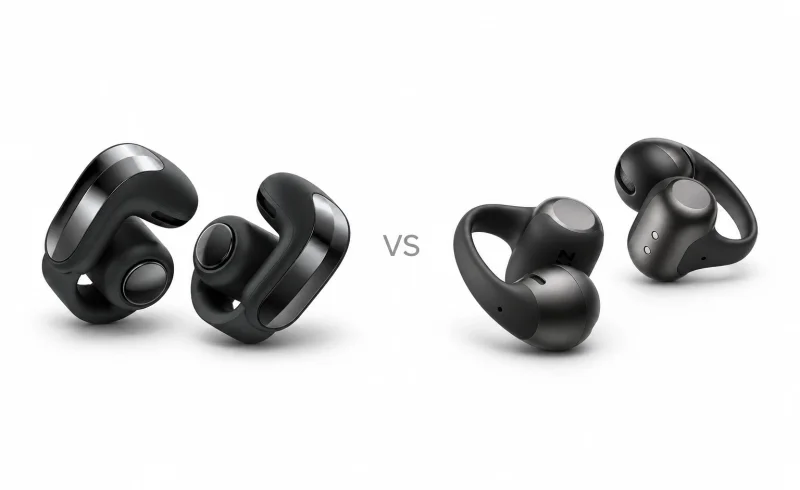
Bose Ultra Open Earbuds (2nd Gen) suit listeners who put natural-sounding voices and long stretches without charging first. Shokz OpenDots 2 suit runs in rain or dust, with IP57 protection against Bose's IPX4. Both keep your ear canals open, so neither quiets a train or a busy office.
Bose costs $99.05 more at US list prices. That premium brings physical buttons, head-tracked audio and longer measured continuous playback, while Shokz is rated for more total listening with its case.
| Feature | Bose Ultra Open Earbuds (2nd Gen) | Shokz OpenDots 2 |
|---|---|---|
| Design | Open-ear cuff, air conduction | Open-ear cuff, air conduction |
| Active noise cancellation | No | No |
| Earbud resistance rating | IPX4 | IP57 |
| Rated music playback per charge | Up to 9 h | Up to 10 h |
| Rated music playback including case | Up to 28.5 h | Up to 40 h |
| Full earbud charge | 60 min | 60 min |
| Quick charge for 2 h playback | 10 min | 5 min |
| Case charging | USB-C and wireless | USB-C and Qi wireless |
| Controls | Physical buttons | Taps and force-sensor pinches |
| Bluetooth | 5.4 | 6.1 |
| Bluetooth codecs | SBC, AAC, aptX Adaptive | SBC, AAC |
| Multipoint | 2 devices | 2 devices |
| Sound processing | Immersive Audio, head tracking, Cinema Mode | Dolby Audio |
| Phone app | Bose, iOS and Android | Shokz, iOS and Android |
| Official US list price, November 15, 2026 | $299.00 | $199.95 |
Bose's standard-playback figures have Immersive Audio and Auto Volume off, and aptX Adaptive requires a compatible Android phone.
📑 Table of Contents
Bose brings voices forward; Shokz adds treble bite
Bose gives vocals a more natural balance in RTINGS' direct comparison. RTINGS rates its mids more accurate, while treble sits 2 dB below the target against Shokz's 3 dB above. Shokz consequently gives consonants and cymbals more edge, which can become tiring if you already dislike sharp treble.
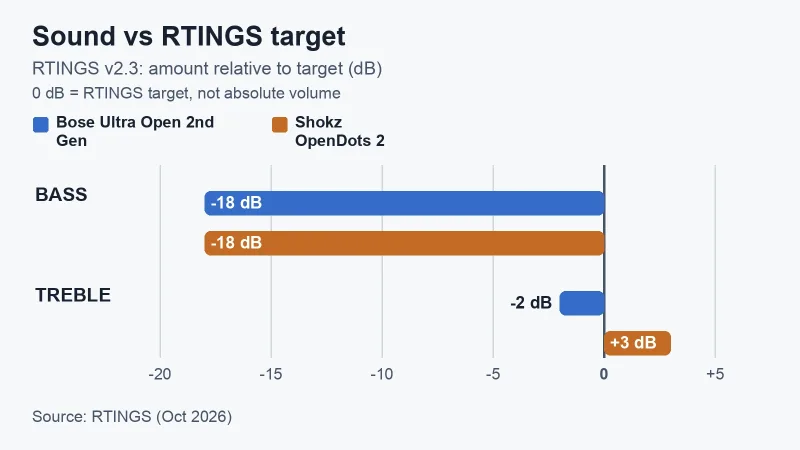
Neither delivers the low-end weight of a sealed earbud. Both register a bass amount of -18 dB against that target, so a kick drum loses the pressure you expect from an in-ear seal. Shokz's dual-driver Bassphere 2.0 and Bose's redesigned driver do not change the fact that each speaker plays beside an open ear canal.
Shokz gives music the bass presentation that RecordingNOW's Odi Productions prefers to Bose's. Bose's accurate midrange suits voices, while the OpenDots 2 can appeal if you prefer a brighter, punchier balance.
Both leave surrounding conversation audible. Bose can leak music to a close listener in a quiet room, according to RTINGS; Shokz drew conflicting reports, with Picky Audio hearing leakage around 60% volume and TechRadar's colleagues hearing none even at high volume. If your aim is to shut out an office or aircraft cabin, the Bose QC Ultra 2 vs Sony XM6 comparison addresses closed over-ear headphones with noise cancellation.
Both stay put, but Shokz covers wetter runs
Shokz carries an IP57 earbud rating, while Bose carries IPX4. That gives the OpenDots 2 rated dust protection and temporary-immersion resistance; Bose's rating covers splashes and supplies no dust rating. A dusty trail or repeated rainy runs makes Shokz the fit for that exposure, even though both can handle ordinary sweat.
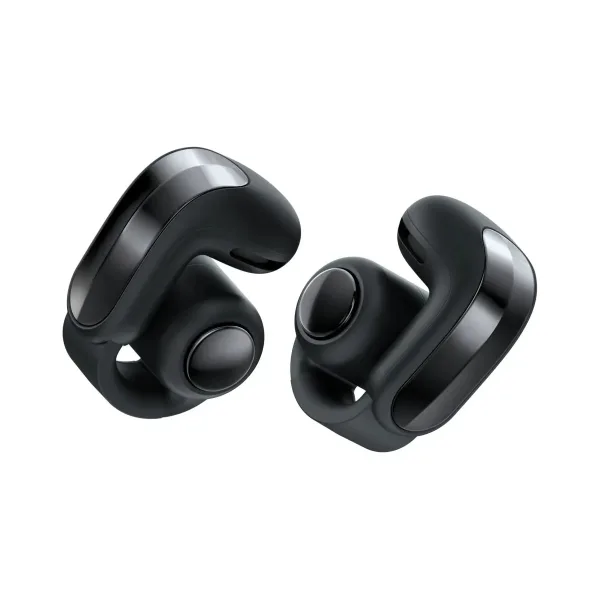
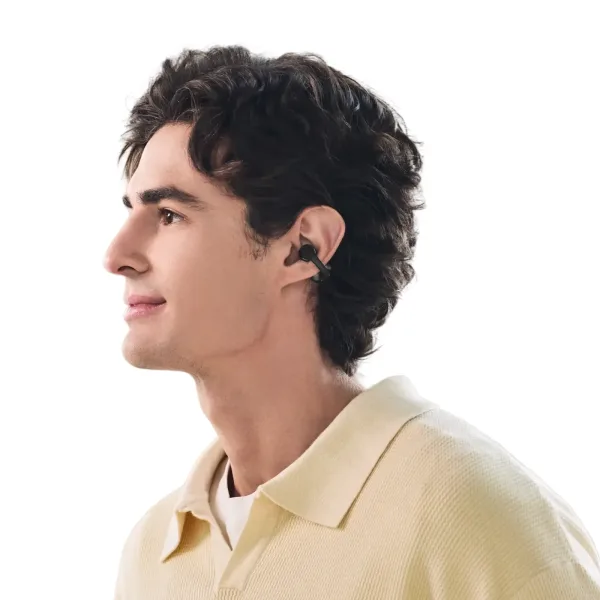
Both stayed stable during vigorous exercise in RTINGS' assessment and received similar comfort judgments. Bose's flexible joint can still press on the outer ear during long sessions, and may need a break after a few hours. The clip-on placement also leaves room above the ear for glasses.

Shokz leaves the canal open during exercise (The Run Testers' running review, 02:17). TechRadar found that a hood or a hand brushing the ear could still dislodge the clip, so a hooded jacket can matter as much as your running pace.
Buttons, pinches and the phone in your pocket
Bose puts a physical button behind each ear, while Shokz combines taps with force-sensor pinches. Both handle music, calls and volume without reaching for a phone. The Bose layout gives your fingers a definite press point; Shokz lets you change how you interact with its clip in the app.
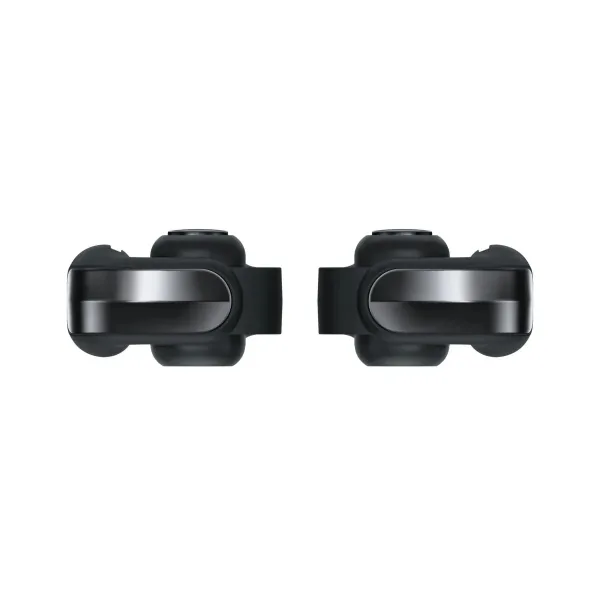
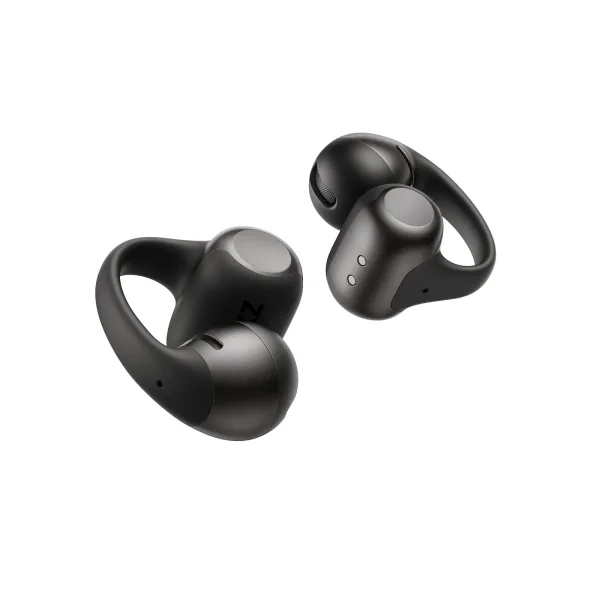
RTINGS rated Bose's buttons more reliable, but Shokz's controls drew different reactions: Tom's Guide's running review found its taps and squeezes worked well. Bose puts its button behind the ear for a tactile press (Picky Audio's controls chapter, 02:53).

Both work with iPhones and Android phones and can stay connected to a phone and laptop together. iPhones use AAC; Bose adds aptX Adaptive only on compatible Android hardware with Snapdragon Sound. A family member using an iPhone still gets Bose's app EQ and spatial processing, but does not get that codec by sharing an Android user's earbuds.
Bose supplies a three-band equalizer and head-tracked Immersive Audio, plus Cinema Mode for dialogue-centered video. Shokz supplies custom EQ and Dolby Audio processing. The current iPhone apps require iOS 17 for Bose and iOS 15.5 for Shokz; those app requirements matter for an older phone even though basic Bluetooth pairing works without either app.
Bose lasts longer in RTINGS' test, despite the label
Bose outlasted Shokz in continuous playback even though Shokz rates the OpenDots 2 for longer per charge, 10 hours against 9. RTINGS reported 13 hours for Bose and 8.3 hours for OpenDots 2, enough to separate a long listening day from one that may need a case break before the evening.
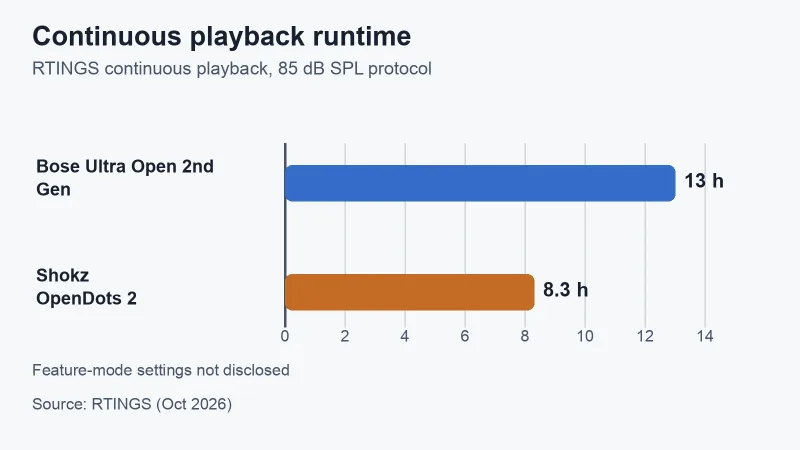
Bose can cover a long day in standard listening: SoundGuys separately measured 13 hours and 1 minute, against Bose's nine-hour rating. Its processing modes shorten that stretch. Bose rates playback at five hours with either Immersive Audio or Auto Volume, and four with both, making an afternoon recharge part of using both features through a workday.
Shokz's case stretches the time between outlets
Shokz rates the OpenDots 2 for 40 hours of music including case recharges, against Bose's 28.5 hours in standard playback. Shokz stores more listening time for a weekend of intermittent use, while Bose lasts longer in RTINGS' uninterrupted test. These totals include stored recharges, so neither means you can wear the buds continuously for that many hours.
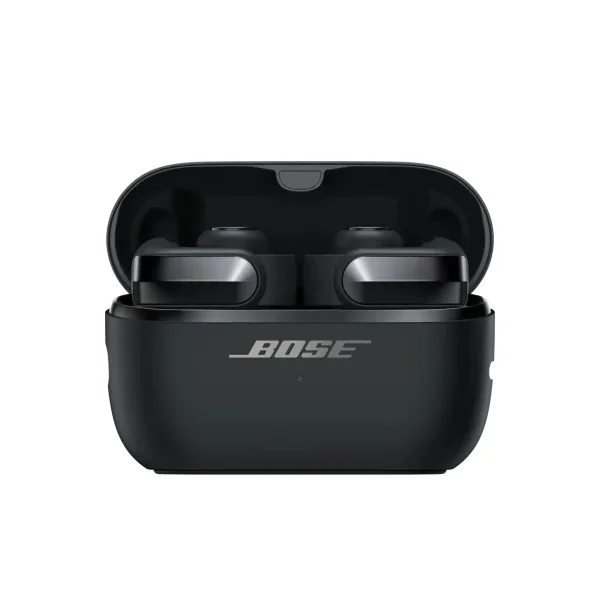
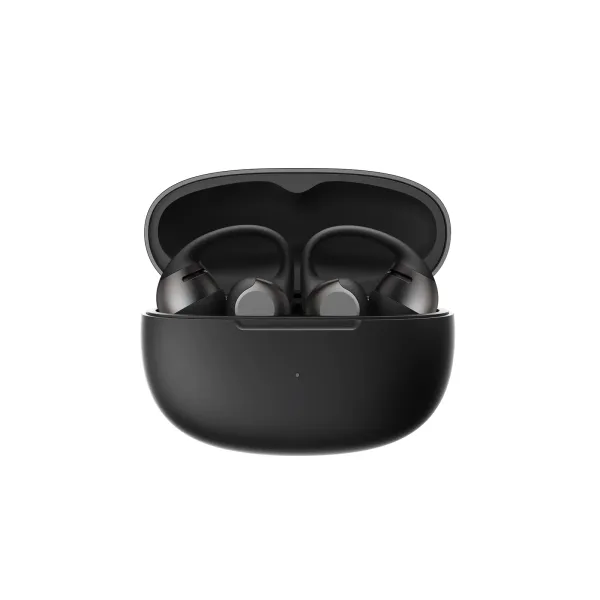
Shokz rates a five-minute top-up for two hours of listening; Bose needs ten minutes for the same. Both take about an hour to fill the earbuds and charge their cases by USB-C or wirelessly. Shokz's IP54 case rating also differs from the earbuds' IP57: the case does not carry their immersion rating.
Calls get harder when the street gets loud
Both can handle a conversation in a quiet room, but neither escapes the problem of speech competing with outdoor noise. RTINGS found intelligible speech and suppression of steady HVAC noise from Shokz, while loud train noise masked it; Bose also lost speech against subway noise. That makes a moving train platform a poor place for an important call with either pair.
Bose produced muffled office and street speech and an almost inaudible wind sample in SoundGuys' Adam Birney's review. SoundGuys records on an artificial head, which can't produce the tissue vibration Bose's voice sensor uses, so a real caller may sound different. Shokz drew an outdoor-call preference from RecordingNOW and clear but tinny real-call reports from Tom's Guide.
Final Verdict
For everyday open-ear listening, choose by your main use: Bose if vocal balance and uninterrupted playback decide it, Shokz if rain, dust and time between case recharges decide it.
- Podcasts and long desk sessions: Bose Ultra Open Earbuds (2nd Gen), for the natural midrange and longer measured continuous playback.
- Wet or dusty runs: Shokz OpenDots 2, for IP57 protection.
- A preference for brighter, punchier music: Shokz OpenDots 2, for the tonal balance RecordingNOW preferred.