
Navigating Smart Pet Devices: Key Choices and Comparisons for 2026

Explore the intricacies of smart pet devices, focusing on real-time interaction, connectivity, and privacy concerns. This guide aids in understanding device trade-offs, ensuring informed decisions on feeders, cameras, and GPS trackers for comprehensive pet car...
Table of Contents
- Understanding Key Trade-offs in Smart Pet Devices
- Which Comparison to Read First
- Choosing the Right Setup
- Addressing Key Risks and Limitations
- Scope and Methodology
Understanding Key Trade-offs in Smart Pet Devices
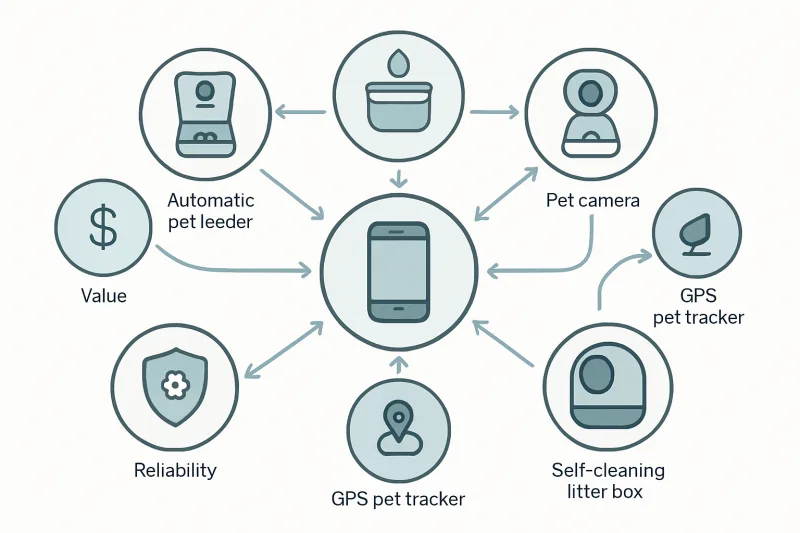
This hub helps guide you through the key decisions in selecting smart pet devices, focusing on the trade-offs that will most impact your experience. When considering these devices, one crucial tension is Connectivity & Reliability: devices that heavily rely on Wi-Fi can provide real-time features but risk disruptions during network outages. Some models experience connectivity issues, as documented in smart feeders where undelivered meals occur due to network failures. Another significant decision axis is Real-time Interaction vs Simple Automation; some devices prioritize interactive features like treat tossing, crucial for pet owners who frequently check in remotely. Meanwhile, others focus on automated routines, ideal for those seeking minimal daily intervention.
Privacy considerations also play a significant role within this hub, emphasizing Privacy & Data Security Concerns. Concerns range from unauthorized data access in pet cameras to broader security vulnerabilities in devices with weak encryption. This hub examines how different devices align with privacy-focused needs or more budget-friendly but less secure options.
Finally, there's the tension of Maintenance Effort & Reliability. Devices promising low maintenance, like self-cleaning litter boxes, are suitable for busy pet owners seeking convenience. The scope of this hub is specifically curated to include comparisons within these focused tensions, without attempting to cover the entire market of pet technology.
Which Comparison to Read First
To find the right comparison for your needs, start by identifying what specific aspect of smart pet devices you’re most interested in. Here’s a quick guide:
- a reliable automatic pet feeder with camera features → PETLIBRO Granary Automatic Cat Feeder with Camera vs PETKIT Fresh Element Solo Smart Pet Feeder
- to improve pet hydration with a smart fountain → PETKIT Eversweet 3 Pro vs PETLIBRO Dockstream
- a pet camera for interactive monitoring → Furbo 360 Dog Camera vs Petcube Bites 2 Lite
- self-cleaning litter boxes for odor control → FEELNEEDY vs OROLEY Self-Cleaning Litter Box Comparison
- a GPS tracker for extensive pet roaming → Tractive Smart vs Tractive XL: Best GPS Tracker for Your Dog?
- comparing pet GPS trackers for security and range → Petivity Smart GPS vs Fi Series 3: Best Dog GPS Tracker?
- a Bluetooth tracker for short-range monitoring → Tractive Smart vs Apple AirTag: Pet GPS vs Bluetooth Tracker
- evaluating pet camera vs baby monitor → Furbo 360 vs Nanit Pro: Pet Camera or Baby Monitor?
Select your primary need, and explore the detailed comparisons to understand which product might fit best.
Choosing the Right Setup
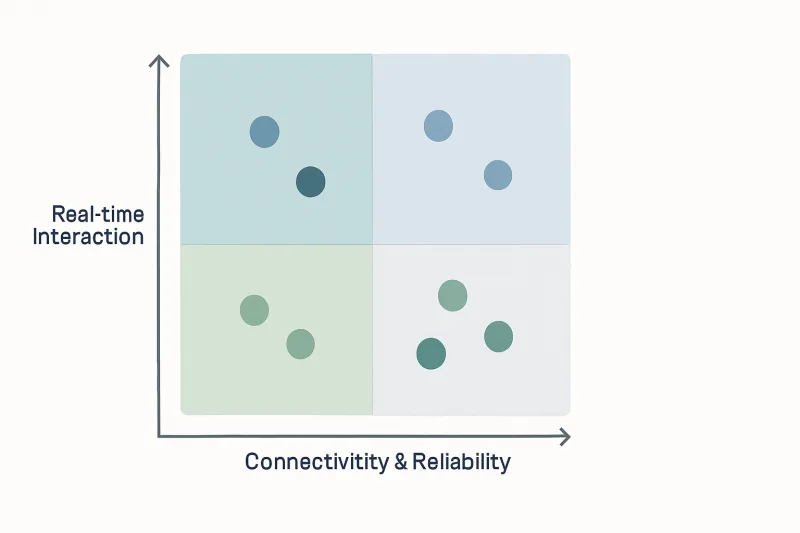
In the world of smart pet devices, selecting the right setup often revolves around balancing critical factors specific to your needs and environment. If you prioritize connectivity and reliability, the decision could hinge on the choice between a locally processed model that excels in consistent performance and one highly dependent on Wi-Fi for advanced features but might risk disruptions during signal outages. Real-time interaction versus simple automation is another key decision point: some models offer treat tossing and live monitoring for more active pet engagement, whereas others focus on automated feeding schedules with minimal intervention. Privacy concerns also play a significant role; choosing a setup with strong encryption and data protection is crucial if privacy is a top priority. Maintenance effort, from low-intervention models boasting self-cleaning features to those requiring more frequent upkeep, can heavily influence your choice. Finally, understanding the scope of this hub is essential — it zeroes in on select comparisons within smart feeders, cameras, self-cleaning litter boxes, and trackers, avoiding broader market inclusions.
If Connectivity and Reliability Matter Most
When considering the connectivity and reliability of smart pet devices, some models with Wi-Fi dependencies may face operational issues due to connectivity disruptions. Devices like the PETLIBRO Granary Automatic Cat Feeder with Camera vs PETKIT Fresh Element Solo Smart Pet Feeder are susceptible to lagging video feeds and Wi-Fi dropouts, complicating remote monitoring efforts. For environments prone to unreliable networks, favoring models with local processing capabilities might be more apt, ensuring feeding schedules remain unaffected by connectivity hiccups.
If Real-Time Engagement Is Your Focus
Real-time engagement options can enhance your pet-keeping experience, making it easier to stay connected with your pet remotely. Features like interactive treat tossing and rotating camera views are present in devices such as the Furbo 360 vs Petcube Bites Lite. These models allow for dynamic check-ins and active monitoring, suitable for pet owners who value staying engaged and responsive to their pets' needs even from afar.
If Privacy Is Non-Negotiable
For privacy-conscious consumers, the risk of unauthorized access to smart device data is a growing concern. Pet cameras like those compared in Furbo 360 vs Nanit Pro may pose privacy challenges due to potential vulnerabilities in their security systems. Making privacy a non-negotiable factor necessitates selecting devices with robust encryption and comprehensive privacy practices, ensuring video and audio streams remain secure.
If Reliable Maintenance and Low Effort Are Priorities
Smart self-cleaning litter boxes such as those reviewed in FEELNEEDY vs OROLEY Litter Box promise to minimize regular maintenance efforts. However, some models may introduce unique challenges, such as misactivated cleaning cycles if weight sensors mistake multiple pets for each other. Evaluating maintenance features thoroughly can aid in finding a product that truly reduces upkeep needs without unexpected complications.
If Budget Is a Pressing Concern
Balancing cost against features is crucial when selecting smart pet devices. The PETKIT Eversweet 3 Pro vs PETLIBRO Dockstream helps explore how devices might differ in advanced features versus economic choices offering basic functionalities. Whether opting for high-tech solutions at a higher cost or choosing more budget-aligned options, understanding your financial threshold is key to maximizing value.
By framing these considerations effectively, pet owners can navigate the diverse landscape of smart pet technology, leveraging comparative insights to find the best fit for their circumstances and preferences.
Addressing Key Risks and Limitations
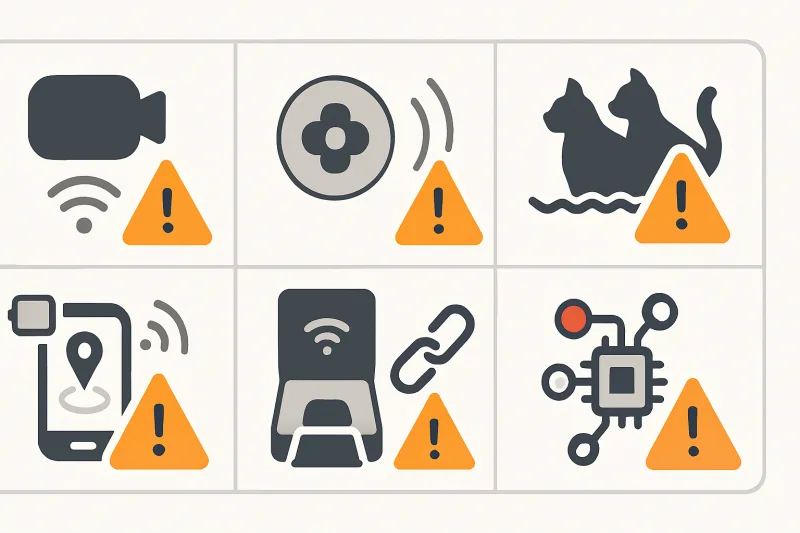
Smart pet devices promise convenience and security, but they also present notable challenges users should consider. Some automatic pet feeders, like those compared in PETLIBRO Granary Automatic Cat Feeder with Camera vs PETKIT Fresh Element Solo Smart Pet Feeder, may face Wi-Fi connectivity issues, resulting in failures of scheduled feeds or lagging video streams that can disrupt pet care. Additionally, Bluetooth-based pet trackers such as the Apple AirTag offer limited tracking range, only functioning with nearby Apple devices — this makes them less ideal for pets that roam beyond a typical 30-100 feet range. If you're considering GPS pet trackers, as seen in Tractive Smart vs Apple AirTag, it's critical to be aware of increased battery drain under weak GPS signals, impacting their reliability.
Another critical risk area is privacy and security. Pet cameras are vulnerable to unauthorized access, potentially exposing both audio and video streams to unintended parties, as highlighted in Furbo 360 vs Nanit Pro. This privacy concern extends to many smart pet devices, which may have poor encryption or firmware vulnerabilities.
Moreover, weight-based sensors in self-cleaning litter boxes might misinterpret multiple pets' presence, leading to incorrect cleaning cycles. This is explored more in FEELNEEDY vs OROLEY Self-Cleaning Litter Box Comparison. With these perspectives in hand, pet owners can make more informed choices aligned with their lifestyle and their pets' needs, understanding that the smart pet device landscape is not without its pitfalls.
Scope and Methodology
This section clarifies what the hub covers and how it was developed. Focusing on smart pet devices like feeders, cameras, GPS/Bluetooth trackers, self-cleaning litter boxes, and fountains, the hub is tailored to provide comparative insights rather than a comprehensive market overview. This distinction enables a more focused dive into specific product categories, emphasizing critical features, limitations, and unique selling points tailored to pet owners' needs.
Comparisons were carefully chosen based on popular use cases, such as evaluating GPS trackers for different roaming needs or selecting automatic feeders with smart scheduling features. We synthesized information from diverse sources, including official documentation, independent reviews, and user-reported experiences, providing a balanced view of each product's capabilities and limitations. The aim is to facilitate informed decisions by highlighting real-world trade-offs and scenarios that pet owners may encounter with these technologies. While the data is expansive, some areas may have less available information, reflecting the evolving landscape of smart pet devices.