
WHOOP 5.0 vs Oura Ring 4: Training Feedback Loop or Low-Friction Wellness?
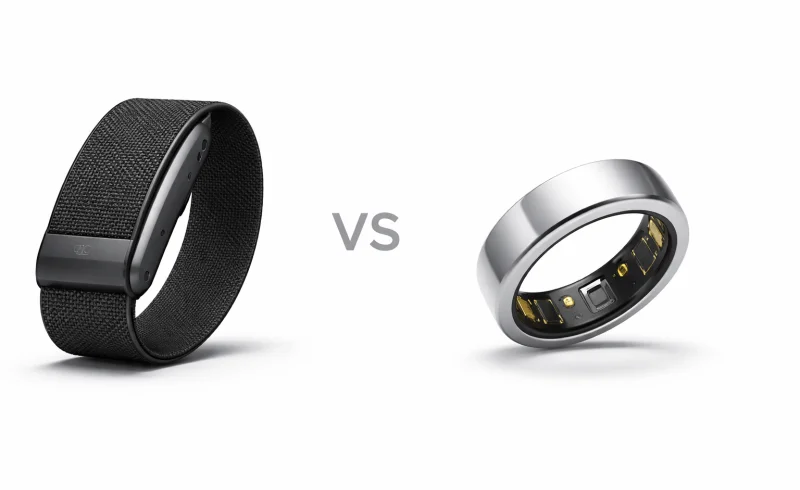
WHOOP 5.0 and Oura Ring 4 both track sleep and recovery, but they fit very different users. Compare training guidance, comfort, battery life, reliability, and pricing to pick the best wearable for your goals.
TL;DR
Quick Decision
- If you want a coach-like system that actively guides your daily training decisions → choose WHOOP 5.0.
- If you care about effortless, long-term health trends and dislike daily device management → choose Oura Ring 4.
- If your main goal is high-level sleep and recovery awareness → either works well, but with very different user experiences.
Key Differentiators The core choice is between a structured program and a passive observer. WHOOP demands daily engagement to turn its metrics into actionable workout plans, while Oura provides a holistic, background view of your health with far less daily input required. WHOOP's superior battery life and flexible wearing options support its always-on coaching role, whereas the ring's discreet form factor makes it easier to live with daily, provided your activities don't require removing it.
Who Should NOT Buy Either If you primarily want a simple activity tracker for steps and heart rate without a subscription or deep analytics, consider a traditional fitness watch instead.
| Feature | WHOOP 5.0 | Oura Ring 4 |
|---|---|---|
| Power | ||
| Battery Life (Typical) | 14+ days | Typically 5–8 days |
| Charging Time (Typical) | Typically 20–80 minutes | |
| Connectivity | ||
| Airplane Mode | Supports Airplane Mode | |
| Wireless Connectivity | Bluetooth Low Energy (BLE) | Bluetooth Low Energy (Bluetooth Smart®) |
| Water & Environmental | ||
| Operating Temperature | -10–54 ºC / 14–129 ºF | |
| Water Resistance Rating | IP68 dustproof and water-resistant up to 10 meters for two hours | 100m / 328ft (suitable for sauna and water sports but not diving) |
| Form Factor & Wearability | ||
| Device Type | Wearable device (designed for 24/7 wear) | Smart ring |
| Wear Location | Multiple locations across the body (24/7 wearability; WHOOP Body / AnyWear technology) | Finger (align sensors against the palm side of your finger) |
| Available Sizes | Sizes 4–15 | |
| Membership / Service Model | ||
| Membership Requirement (Officially Described) | WHOOP membership tiers (WHOOP One / WHOOP Peak / WHOOP Life) | Oura Ring 4 with active membership includes features (membership tied to Oura account) |
| Sensors (Disclosed by Manufacturer) | ||
| Motion Sensor | Accelerometer (movement and activity 24/7) | |
| Temperature Sensor | Digital temperature sensor (average body temperature variations) | |
| Blood Oxygen (SpO2) Sensing | Red and infrared LEDs measure blood oxygen while you sleep | |
| Optical Heart Rate / PPG Sensor | Green and infrared PPG sensors (24/7 heart rate; HRV and respiration rate during sleep) | |
📑 Table of Contents
Training Guidance & Coaching Loop
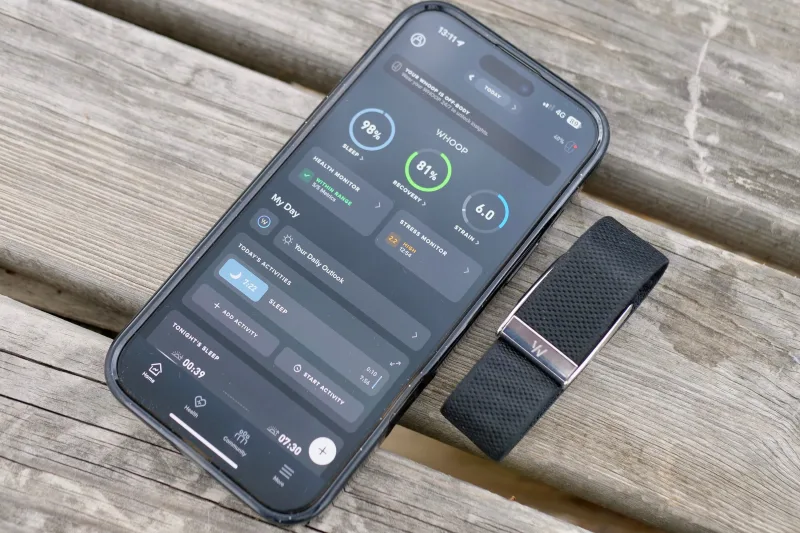
WHOOP 5.0 is explicitly built as a prescriptive training loop: it ties recovery, sleep, and strain into daily guidance meant to change that day’s workload, not just summarize yesterday. Manufacturer materials emphasize an enhanced PPG sensor for «cleaner heart rate signals,» and the hardware/platform is framed as a cohesive system rather than a standalone «stats dashboard.» It also supports multiple wear locations (wrist or validated WHOOP Body placements via Any-Wear Pods), which can matter if your sport makes wrist wear or rings impractical.
Oura Ring 4 is more observational and trend-oriented: it centers sleep/readiness/stress patterns and supports a «check when needed» rhythm rather than daily directives. Its feature set is broad (sleep monitoring, fitness tracking, stress management), but the experience is less about prescribing a training decision and more about noticing longitudinal changes. The ring is designed for finger wear, with the company recommending index, middle, or ring finger placement for best signal quality—good for consistency, but still constrained by the ring form factor.
Conclusion: WHOOP 5.0 has the clearer coaching-loop advantage because it’s designed to convert recovery into daily training decisions and can be worn in more sport-appropriate locations; Oura Ring 4 is better if you prefer low-friction wellness trends over prescriptive training direction.
Onboarding & daily «actionability»
WHOOP 5.0 onboarding is goal- and behavior-driven: it asks for training frequency, goals, and lifestyle factors early, then pushes interpretation immediately (higher learning curve, faster path to a structured routine). Day-to-day, it encourages a repeatable habit loop—check recovery, adjust training, and log behaviors—so the platform gets more valuable when you comply consistently. The trade-off is that if you don’t log those inputs, insights can become generic and the «program» feel may come off as intrusive.
Oura Ring 4 onboarding is simpler and baseline-first: it establishes trends, then gradually introduces deeper metrics, which tends to feel more passive in the first weeks. Daily use is designed to be forgiving—you can ignore the app for days and still come back to coherent readiness/sleep/stress patterns. The trade-off is that, for performance planning, its guidance is typically more indirect, and ring removal during grip-heavy training can create data gaps that weaken any coaching narrative.
Conclusion: WHOOP 5.0 wins for actionable training guidance, while Oura Ring 4 wins for low-friction, «dip in when needed» usability—a meaningful trade-off depending on whether you want coaching directives or background insight.
Practical consistency (battery cadence that supports the loop)
WHOOP 5.0 has a stated typical battery life of 14+ days, which supports continuous wear and makes it easier to sustain a daily coaching loop without frequent charge planning. Longer battery windows generally reduce «device-off time,» which matters more when the value proposition depends on uninterrupted recovery/strain context. (Charging-time specs aren’t provided here, so the comparison is primarily about charge cadence.)
Oura Ring 4 is typically 5–8 days and takes about ~80 minutes to charge fully per its manual. That’s still strong for a smart ring, but the shorter battery window increases the odds of missing a night if you forget to top up—especially since overnight data is central to readiness/sleep insights. Separately, multiple reviewers report issues with battery not charging fully and missing sleep data, which can directly undermine the reliability of day-to-day guidance.
Conclusion: WHOOP 5.0 has the edge for sustaining a consistent coaching loop on battery longevity alone (14+ days vs 5–8 days), and Oura’s reported charging/sleep-data issues add risk for users who rely on uninterrupted nightly readiness.
Winner: WHOOP 5.0
Wearability & Sport Compatibility
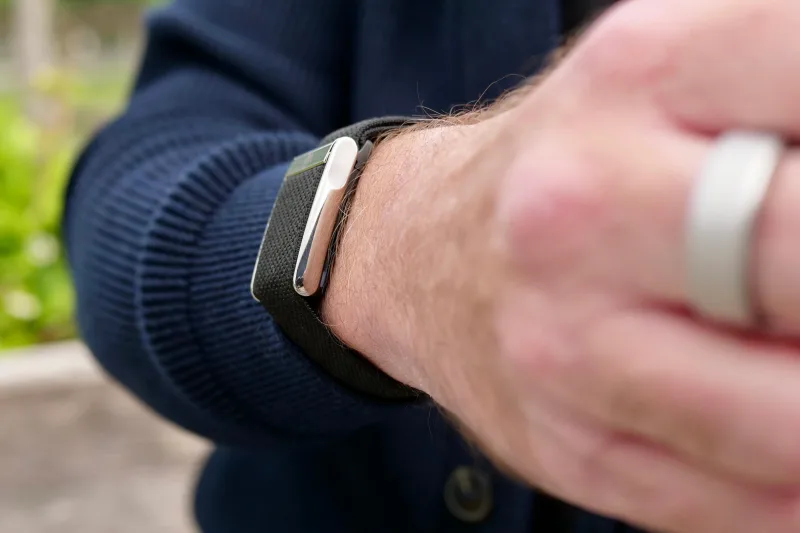

WHOOP 5.0 is designed for 24/7 wear as a strap wearable, and it can be worn not just on the wrist but also on validated WHOOP Body locations via Any-Wear Pods. That multi-location approach matters in sports where rings can be unsafe or annoying (e.g., barbell work, climbing, contact sports) because it reduces «device-off» time while keeping data continuous. Practically, it also gives you more flexibility to position the sensor for comfort under gloves, wrist wraps, or protective gear.
Oura Ring 4 is a smart ring worn on the finger, and it can be worn on any finger—though Oura recommends the index, middle, or ring finger for best signal quality. The flip side of a ring is that fit becomes part of ownership: finger size fluctuations (heat, hydration, travel) can change comfort and may push some users to remove it more often, creating gaps. For grip-heavy training (kettlebells, pull-ups, heavy dumbbells), the form factor can be the limiting factor even if the sensor itself is capable.
Conclusion: WHOOP 5.0 has the edge for sport compatibility because its multi-location wear options are explicitly built to keep the device on in more training scenarios, while Oura’s finger-based design is more likely to be removed during certain activities.
WHOOP 5.0 is still visibly a wrist/strap wearable, which can be a drawback if you want a device that disappears in formal settings or if you dislike sleeping with anything on your wrist. That said, WHOOP’s overall wear concept is «always on,» and its broader placement options are specifically meant to preserve adherence even when the wrist isn’t ideal (uniforms, sport rules, or personal comfort).
Oura Ring 4, by contrast, is typically the more socially invisible option: it looks like jewelry and is easier to keep on in the office or with dress clothes. However, there are some users who report issues like skin irritation, which can directly hurt adherence if it makes you take the ring off (and can be especially noticeable with 24/7 wear).
Conclusion: Oura Ring 4 wins on discretion, but WHOOP 5.0 is more robustly «wear-through-anything» for training—and that tends to matter more if your priority is uninterrupted data during a wide range of sports.
Winner: WHOOP 5.0
Sleep & Recovery Experience

WHOOP 5.0 treats sleep and recovery as a daily decision engine: the morning recovery score is designed to drive training choices, and the UX reinforces a loop of check recovery → adjust workload → log behaviors → review impact. It also supports multiple wear locations via WHOOP Body/Any-Wear Pods, which can help keep overnight data consistent if you dislike sleeping with a wrist device. The trade-off is that insight quality is strongly tied to consistent behavior logging (e.g., alcohol, late meals, travel); without it, recommendations can become generic.
Oura Ring 4 is more «sleep-first» and low-friction: it’s a ring you can wear 24/7, and the app is built around baseline trends and gradual interpretation rather than daily directives. Its readiness-style experience works especially well for sleep optimization, stress awareness, and travel recovery, including users who prefer to check insights intermittently rather than follow a program. The downside is that daytime performance planning can feel secondary if you want your recovery score to directly prescribe training.
Conclusion: WHOOP 5.0 has the edge for structured athletes who want recovery to actively steer training, while Oura Ring 4 has the edge for users prioritizing low-friction sleep and readiness insights with minimal daily coaching.
WHOOP 5.0 has a meaningful practical advantage for recovery continuity: 14+ days typical battery life (WHOOP 5.0 MG) supports long stretches of overnight tracking with less charging disruption. That longer cadence also reduces the chances you’ll miss sleep data simply because the device was off your body charging. However, the provided materials don’t specify a charging-time figure here, so you’re judging primarily on endurance rather than charge speed.
Oura Ring 4 is rated for typically 5–8 days of battery life, which is still strong for a compact wearable but demands more frequent charging to protect sleep tracking consistency. A full charge is stated to take about 80 minutes, but multiple reviewers report issues including battery not charging fully and missing sleep data—both directly undermine the «set it and forget it» recovery promise when they occur.
Conclusion: WHOOP 5.0 wins on charging cadence for sleep/recovery adherence (14+ days vs 5–8 days), but Oura’s shorter charge time (~80 minutes) doesn’t fully offset the added frequency—and reported charging/sleep-data glitches—if your goal is uninterrupted overnight trends.
Winner: Tie — WHOOP 5.0 is stronger when you want recovery to drive training decisions and benefit from long battery cadence, while Oura Ring 4 is better when you want a sleep-first, low-prescription recovery experience you can engage with more passively.
Battery & Charging Convenience
WHOOP 5.0 is positioned for uninterrupted wear, with 14+ days of typical battery life (as cited for WHOOP 5.0 MG). In practice, that longer runway reduces the odds that charging interrupts sleep/recovery baselines, which matters most if you’re trying to keep 24/7 data continuous across travel, events, or heavy training weeks. The trade-off is that the provided specs don’t disclose a typical full-charge time here, so «how fast it tops up» is harder to evaluate from the data.
Oura Ring 4, by contrast, is rated at typically 5–8 days of battery life per Oura support documentation, which is still long enough that many users won’t feel daily charging pressure. Charging is well-defined: a full charge typically takes about 80 minutes, and the spec table summarizes it as 20–80 minutes depending on conditions/state of charge. However, multiple reviewers report ring-side battery/charging friction—issues like battery not charging fully and associated reliability complaints can turn «every week or so» charging into more active troubleshooting.
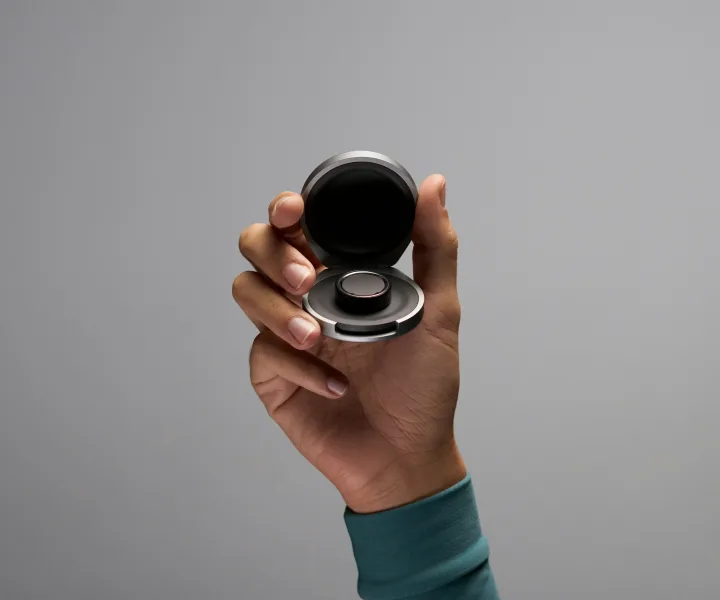
Conclusion: On pure battery convenience, WHOOP 5.0 has the clear edge: 14+ days vs 5–8 days is a meaningful gap that better supports truly uninterrupted tracking. Oura Ring 4 partially counters with clearer charging-time expectations (≈80 minutes full), but the shorter battery cadence—and reported charging/battery glitches—make it the less «set-and-forget» option for power management.
Winner: WHOOP 5.0
Reliability & Friction Points
WHOOP 5.0’s biggest friction point is that its insights depend on user compliance: to keep recovery/strain guidance contextual, you need consistent behavior logging (sleep timing, alcohol, late meals, travel). The always-worn strap plus on-body charging and frequent sweat/water exposure can also create ongoing hygiene and strap-maintenance overhead over months—especially in heavy training environments.
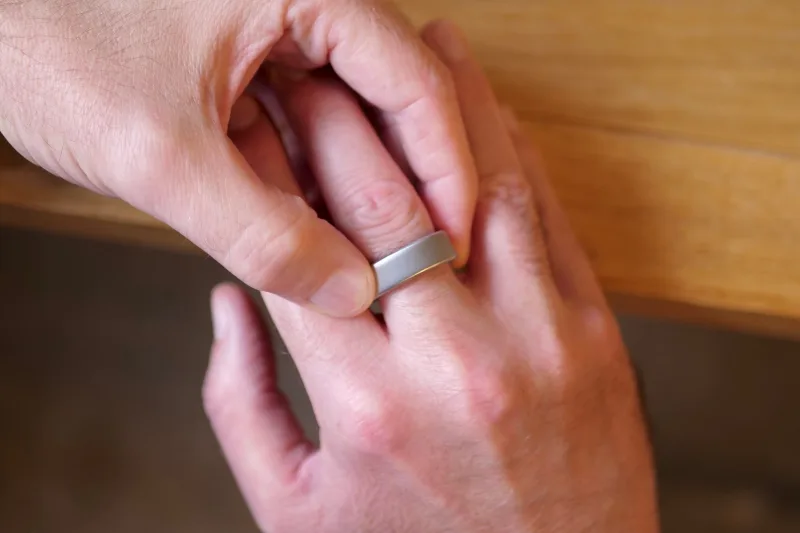
Oura Ring 4 is generally lower-effort day to day because it’s a ring and can be ignored for stretches without breaking the experience, but it has its own adherence friction: fit is critical, and finger-size swings (heat, hydration, travel) can make comfort more variable than a wrist strap. If you remove the ring for grip-heavy activities (strength training, climbing), that «device-off time» can create gaps precisely when activity data would be most useful.
Conclusion: Oura is lower-friction when it fits your lifestyle, but WHOOP is more reliable as a continuous training system if you’re willing to engage with it daily.
WHOOP 5.0 looks strong on «set-and-forget» runtime, with 14+ days cited for the 5.0 MG variant in review coverage. That longer cadence reduces the chance that dead-battery days interrupt continuous recovery and strain tracking, which is central to WHOOP’s coaching-loop approach.
Oura Ring 4 is rated at typically 5–8 days (manufacturer guidance), and a full charge is cited at about 80 minutes in a user manual reference—reasonable, but meaningfully more frequent than WHOOP’s schedule. If your main use is sleep/recovery, the practical risk is that a missed charge can translate directly into missed nights.
Conclusion: WHOOP 5.0 wins on charging cadence (14+ days vs 5–8 days), which materially lowers «oops, it died» interruptions.
WHOOP 5.0 doesn’t have any specific reliability faults called out in the provided sources here, but its «friction» is structural: if you don’t log behaviors, the analytics can become generic or repetitive, reducing perceived value even when hardware is functioning normally.
Oura Ring 4, by contrast, has multiple reviewers report issues including battery not charging fully, skin irritation, and missing sleep data in community threads (complain / complain). Those problems are more directly «reliability-affecting» because they can undermine Oura’s core promise as a sleep-first, always-on recovery tracker.
Conclusion: WHOOP 5.0 has the edge on reliability risk based on the specific issue reports concentrated around Oura Ring 4’s charging/skin/sleep-data failures.
Winner: WHOOP 5.0
Durability, Water & Travel Features
WHOOP 5.0 is rated IP68 and stated as water-resistant up to 10 meters for two hours, which covers sweat, rain, showers, and short swims without needing to remove the band. It’s also built for continuous wear, including non-wrist placement via WHOOP Body / Any-Wear Pods, which can reduce damage risk in contact or grip-heavy activities where jewelry is a problem. The trade-off for travel is practical: a strap is bulkier to pack and keep clean, especially when it’s worn through water and frequent workouts.
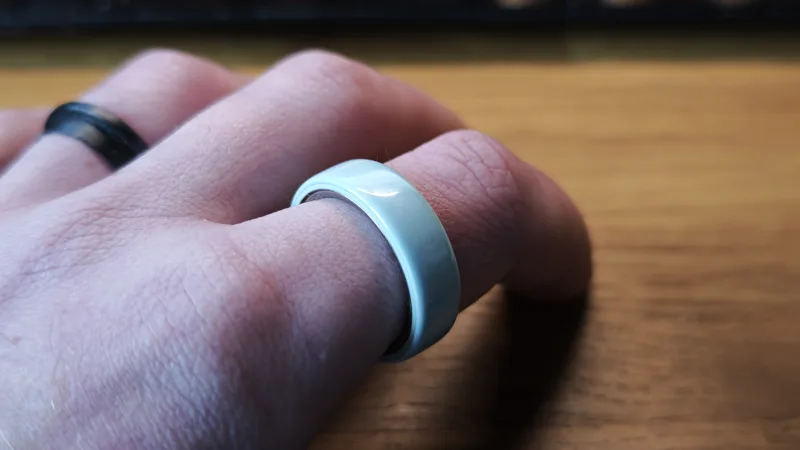
Oura Ring 4, on the other hand, has a deeper stated water rating of 100 m / 328 ft (positioned as suitable for sauna and water sports, but not diving). It also publishes an operating temperature range of -10–54°C (14–129°F) and includes Airplane Mode, which is a concrete travel convenience when you want to reduce radios or distractions. As a ring, it’s inherently lower-profile in luggage and on-body—but fit and comfort can become a variable during travel if your finger size fluctuates.
Conclusion: For pure «bring it anywhere» durability and travel toggles, Oura Ring 4 has the clearer spec advantage (100 m rating, Airplane Mode, and a defined temperature range). WHOOP 5.0 still competes well for sports-first durability because its strap and multiple wear locations are often easier to keep on during rough training. Winner: Oura Ring 4.
The Bottom Line
After breaking down coaching, wearability, sleep/recovery, battery, reliability, and travel durability, the choice comes down to whether you want a prescriptive training system or a discreet, sleep-first wellness tracker.
You train hard and want daily load targets: The WHOOP 5.0 is the clear pick because its recovery/strain loop is designed to translate readiness into day-to-day training decisions.
You want a discreet, office-friendly wearable: The Oura Ring 4 wins because the ring form factor is more socially invisible and easier to live with in formal settings.
You do barbell work, climbing, or contact sports: Choose WHOOP 5.0 since its multi-location wear options reduce «device-off» time when a ring becomes impractical.
You mainly care about sleep trends and travel recovery: The Oura Ring 4 fits best with its low-friction, sleep-first approach and travel-friendly touches like Airplane Mode.
You hate frequent charging: Go with WHOOP 5.0—its 14+ day typical battery cadence better supports uninterrupted 24/7 tracking than Oura’s 5–8 day cycle.
Overall,
because it’s the more consistent «always-on» performance system: stronger actionability, better sport compatibility, and a clear battery advantage that supports adherence. The trade-off is that Oura Ring 4 does a better job of disappearing on your body and leads on travel-focused specs and discretion.If you’ll log behaviors and want an action plan, pick WHOOP; if you want an invisible, sleep-first tracker you can check when needed, pick Oura—and in either case, buy the one you’ll actually wear through your real workouts and nights.
FAQ
Is WHOOP 5.0 better than Oura Ring 4 for athletes?
Which is easier to wear all day and night?
How long does the Oura Ring 4 battery last?
Does WHOOP 5.0 have better battery life than Oura Ring 4?
Can you wear Oura Ring 4 during weightlifting?
Are WHOOP and Oura both Bluetooth devices?
What common issues do users report with Oura Ring 4?
Which device is more durable for travel and water activities?
"Images are used for editorial and informational purposes only. All trademarks and images belong to their respective owners."
New Draft 2026-03-25 01:21
- Track daily health with a smart ring → Oura Ring 4 vs Samsung Galaxy Ring: Best Smart Ring?
- Fitness monitoring and smartphone integration → Apple Watch Series 10 vs Samsung Galaxy Watch 6
- Decide between smart glasses for multimedia or display → Ray-Ban Meta vs RayNeo 4 Pro: Capture or Personal Screen?
- Choose earbuds for commuting with superior audio quality → Galaxy Buds 3 Pro vs Liberty 4 Pro vs Bose Ultra Open